Performance status

What is the WHO performance scale and how does this help doctors decide who can go on a clinical trial or not?

Doctors use the WHO performance scale to describe how well you are. They also call it your 'performance status'.

There are different ways of assessing general health. The World Health Organisation designed the scale that doctors use most often. It has categories from 0 to 4. Here is what they mean

  • 0 - you are fully active and more or less as you were before your illness
  • 1 - you cannot carry out heavy physical work, but can do anything else
  • 2 - you are up and about more than half the day; you can look after yourself, but are not well enough to work
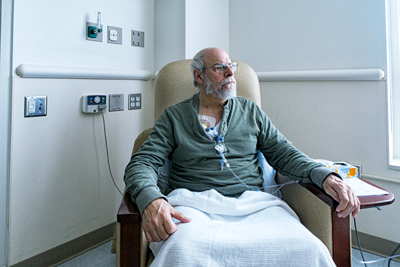
  • 3 - you are in bed or sitting in a chair for more than half the day; you need some help in looking after yourself
  • 4 - you are in bed or a chair all the time and need a lot of looking after

Another commonly used scale is the Karnofsky performance status. It is similar to the WHO scale, but goes to up 100.

  • 100 – you don’t have any evidence of disease and feel well
  • 90 – you only have minor signs or symptoms but are able to carry on as normal
  • 80 – you have some signs or symptoms and it takes a bit of effort to carry on as normal
  • 70 – you are able to care for yourself but not able to carry on with all your normal activities or do active work
  • 60 – you need help from time to time but can mostly care for yourself
  • 50 – you need quite a lot of help to care for yourself
  • 40 – you always need help to care for yourself
  • 30 – you are disabled and may need to stay in hospital
  • 20 – you are ill, in hospital and need a lot of treatment
  • 10 – you are very ill and unlikely to recover

Clinical trials often include performance status as one of the criteria you must meet to join the trial. Researchers have to make sure that people are well enough to take part in a trial. You must be able to withstand the treatment they are testing. And, it sounds harsh, but for some trials they have to make sure that the people taking part live long enough for the trial to get results. There is no point testing a treatment to see if it improves 5 year survival if the people being tested don't live for at least 5 years. Researchers use a set scale because it makes sure that all the patients who join are assessed in the same way.

CancerHelp UK has detailed information about deciding who can take part in clinical trials.