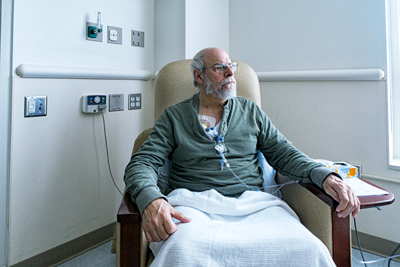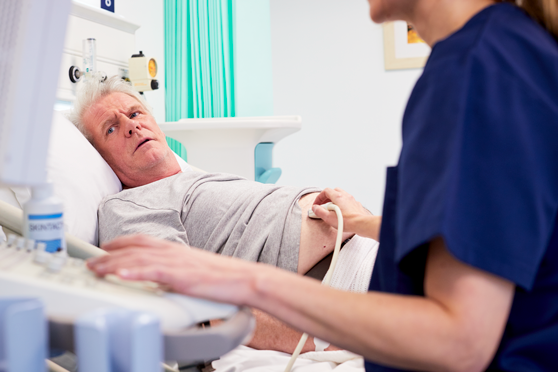
Men and women discussing prostate cancerResearch into treatments for prostate cancer

This section contains information about research into treatments for prostate cancer. It includes


A quick guide to what's on this page

Research into treating prostate cancer

All treatments must be fully researched before they can be adopted as standard treatment for everyone. This is so that we can be sure they work better than the treatments we already use. And so we know that they are safe.

First of all, treatments are developed and tested in laboratories. Only after we know that they are likely to be safe to test are they tested in people, in clinical trials.

Researchers are looking into treatment choices, radiotherapy, chemotherapy, hormone therapy, removing prostate cancer with freezing, light (photodynamic therapy) and high intensity ultrasound, reducing side effects, herbal treatments, and symptoms that may show a prostate cancer has come back.


Why we need research

All treatments have to be fully researched before they can be adopted as standard treatment for everyone. This is so that

  • We can be sure they work
  • We can be sure they work better than the treatments that are available at the moment
  • They are known to be safe

First of all, treatments are developed and tested in laboratories. For ethical and safety reasons, experimental treatments must be tested in the laboratory before they can be tried in patients. If a treatment described here is said to be at the laboratory stage of research, it is not ready for patients and is not available either within or outside the NHS.

Tests in patients are called clinical trials. The trials and research section has information about what trials are including information about the 4 phases of trials. If you are interested in taking part in a clinical trial, visit our searchable database of clinical trials for trials recruiting in the UK and choose 'prostate' from the drop down list. If there is a trial you are interested in, print it off and take it to your own specialist. If the trial is suitable for you, your doctor will need to make the referral to the research team.

All the new approaches covered here are the subject of ongoing research. Until studies are completed and new effective treatments are found, these treatments cannot be used as standard therapy for cancer of the prostate.


Treatment choices for early prostate cancer

It can be difficult for doctors to decide on the best treatment for prostate cancer that is completely inside the prostate (localised cancer). Options for treatment include surgery, radiotherapy or careful monitoring with check ups (active monitoring). Research studies are comparing these three treatments, and aiming to find out which works best, and how many men with prostate cancer might never need treatment. The ProSTART trial is trying to find out if it is best for men with prostate cancer contained within the prostate gland to have treatment straight away or to have active surveillance. 

Researchers also want to find out what men think about the treatments for early prostate cancer. The SABRE 1 trial is is looking at giving men a DVD or video to help them decide which treatment to have. And to find out if a study comparing radical prostatectomy with brachytherapy to the prostate can be done. There is more information about these trials on the CancerHelp UK clinical trials database. Pick 'prostate' from the drop down menu of cancer types.


Radiotherapy

Radiotherapy is already an effective treatment for prostate cancer. Research continues to try to improve cure rates and reduce side effects. An NHS trial is looking at combining internal radiotherapy (brachytherapy) and external radiotherapy to see if this is better at controlling prostate cancer than either treatment on its own. This trial finished recruiting patients in August 2005, so we are now waiting for the results.

In the meantime, the National Institute for Health and Clinical Excellence (NICE) have said that high dose rate internal radiotherapy combined with external beam radiotherapy works well enough to be offered to men on the NHS. They say that doctors must explain the treatment benefits and drawbacks fully to patients before they agree to it. And they must keep a record of the results so that we can learn more about how well this combined treatment works.

At the moment, many men who have removal of the prostate gland (radical prostatectomy) for early prostate cancer will not have any further treatment unless their PSA level rises. The RADICALS trial is looking into whether it would be better to give all men radiotherapy after radical prostatectomy, whatever their PSA level. It is also investigating whether having hormone therapy as well works better than radiotherapy on its own for this stage of prostate cancer, and if so, how long you should take it for.

Research is looking at different ways of giving radiotherapy. Conformal radiotherapy uses a computer to 'shape' the radiotherapy beams to a more exact shape of your prostate. The idea is to cut down on the amount of healthy body tissue that receives radiation.

In September 2002 NICE issued guidelines for the treatment of prostate cancer that said conformal radiotherapy was the best way to give radiotherapy for prostate cancer and should be available to patients. It can lower the number of men who have long term side effects of straining and bleeding from the back passage (proctitis) after radiotherapy treatment. Conformal radiotherapy is still being investigated in other clinical trials.

Although doctors know conformal radiotherapy can reduce side effects, we don't know yet whether it could be better at controlling prostate cancer. Doctors may be able to give higher doses of radiation to the prostate because the treatment is better targeted. The hope is that this will give a higher chance of cure. A Medical Research Council trial of high dose conformal radiotherapy finished recruiting in December 2001. The researchers are now monitoring the men that took part in this trial. It will be another few years before we know whether the high dose treatment was better at stopping the cancer from coming back.

 Studies are taking place in the UK of a type of conformal radiotherapy called intensity modulated radiotherapy (IMRT). Like conformal radiotherapy, IMRT shapes the radiation beams to closely fit the area where the cancer is. But it also changes the dose of radiotherapy depending on the thickness of the body tissue. So the whole area treated receives the same dose. Researchers want to find out how IMRT compares to standard radiotherapy.

Researchers are also looking at different ways of giving the total dose of radiotherapy for men with prostate cancer. A trial is underway that aims to find out if giving a higher dose of radiotherapy per fraction, but fewer fractions, works as well as standard radiotherapy. The researchers also want to find out what the side effects are. All men on this trial will have IMRT.

One study is comparing the side effects of external beam radiotherapy only with external beam radiotherapy plus high dose rate brachytherapy to see how these treatments affect quality of life.

A study called PRECIOUS is looking into how doctors and nurses collect information about the side effects of radiotherapy for prostate cancer. Researchers have developed a questionnaire which people answer on a computer. They want to test the questionnaire to find out how good it is at helping doctors understand and treat the side effects.

In Belfast, there is a small trial for men whose prostate cancer has spread to the bones, and which is no longer responding to hormone treatment. If you join this trial, you will be given docetaxel chemotherapy, and rhenium-186. Rhenium-186 is a radioactive substance which doctors think will target the cancer cells in the bone, and stop them growing. This is called radionuclide treatment and is a kind of internal radiotherapy. You will also have steroids.

The Prostate Radiotherapy Pneumovax Study (PRP) is a small study looking at how radiotherapy affects the immune system of men with early prostate cancer. Men with prostate cancer on this study have already started hormone therapy. Researchers take blood tests from some men before they have radiotherapy, and from some men both before, during and after radiotherapy. All the men on the trial are also vaccinated against a particular type of pneumonia at different stages of their treatment. Blood tests aim to show how the immune system responds to the vaccine before or after radiotherapy. The researchers hope that the results from this study will help them to develop a cancer vaccine to treat prostate cancer. This trial has closed and we are waiting for the results.

You can find more information about the trials mentioned above on the clinical trials database. Pick 'prostate' from the drop down menu of cancer types.


Hormone therapy

Cancer of the prostate depends on the male hormone testosterone for its growth. If the amount of testosterone in the body is reduced, it is possible to slow down or shrink the tumour. Sometimes the cancer symptoms disappear completely. There is information here about

New hormone therapies

Doctors are continuously looking for new hormone therapies to treat prostate cancer. Many of the current hormone drugs cause a rise in testosterone when they are first taken. So prostate cancer symptoms tend to get worse before they improve. A drug called abarelix does not seem to do this. Research so far shows that abarelix works more quickly on prostate cancer and does not seem to cause the initial rise in testosterone levels that other standard hormone drugs do. Similar drugs are also being tested, including degarelix, ganirelix and cetrorelix. Degarelix is now licensed in the European Union for treating advanced prostate cancer.

In 2003 a small pilot study looked at HRT patches to treat men with advanced prostate cancer. The researchers reported that all the men in the study who were treated with HRT patches felt that they had an improvement in their quality of life. But this was only one small study. Larger, randomised, controlled clinical trials are needed before we know more about the side effects men get when treated with hormone patches. A trial is currently comparing oestrogen patches with standard hormone treatment to see if they work as well. While this trial is recruiting it will be listed on the CancerHelp UK trials database. Pick 'prostate' from the drop down menu of cancer types.

A trial is testing a new type of hormone therapy called abiraterone acetate with the steroid drug prednisolone. You may be able to join this trial if you have prostate cancer that has spread to another part of the body and it has stopped responding to standard hormone therapy. Most testosterone is made in the testicles. But a small amount is also made in other tissues. Abiraterone acetate stops an enzyme in your body called CYP17 from working. If CYP17 can't work, your body cannot make testosterone anywhere.

Early trials of abiraterone have shown some promising results. If you join this trial, you will be put at random into one of two groups. One group will have abiraterone acetate, the other group will have a dummy drug (placebo). Neither you nor your doctor will know which group you are in. Everyone who joins this trial will also have prednisolone. There is more information about this trial on our clinical trials database.

Hormone therapy timing

Some clinical trials are looking into the timing of hormone therapy. Some doctors believe that intermittent hormone therapy can be as good as continuous hormone therapy at controlling prostate cancer. Intermittent therapy means having hormone therapy for 6 months, then having a break for a while and then having it for another 6 months. A trial looking at intermittent hormone therapy for advanced prostate cancer is no longer recruiting patients and we are waiting for the results.

A trial in the UK has looked at using the hormone therapy diethylstilbestrol with steroids and aspirin for prostate cancer that has spread. The researchers particularly looked at when to give the hormone therapy - at the start of treatment or at a later stage. This trial is no longer recruiting patients, and we are waiting for the results.

Hormone therapy in combination with other treatments

Hormone treatment often works well for prostate cancer that has spread outside the prostate gland. But doctors think that using it with other treatments could work better. A trial called STAMPEDE is studying the combination of hormone therapy with chemotherapy, bisphosphonates or celecoxib

  • For men who have prostate cancer that has grown outside the prostate gland
  • And for men whose prostate cancer has started to grow again after treatment with radiotherapy or surgery.

The RADICALS trial is looking at whether giving hormone therapy with radiotherapy helps to stop the cancer coming back, in men who have had surgery for early prostate cancer.

While these trials are recruiting, they will be listed on the CancerHelp UK trials database. Pick 'prostate' from the drop down menu of cancer types.


Chemotherapy

In the past, chemotherapy drugs have not been widely used to treat prostate cancer. We thought prostate cancer didn't respond very well to chemotherapy. But recent clinical trials using some well known drugs - mitoxantrone (mitozantrone) and docetaxel (Taxotere) - have proved this wrong. Chemotherapy is most likely to be used for prostate cancer when the cancer has spread and has stopped responding to hormone therapy. In June 2006 NICE (the National Institute for Health and Clinical Excellence) approved docetaxel as a treatment for advanced prostate cancer that is no longer responding to hormone therapy. Do speak to your own specialist if you'd like to know more.

Results of 2 published phase 3 trials showed that docetaxel was better than mitoxantrone for prostate cancer that has continued to grow despite hormone therapy (hormone refractory prostate cancer). There was a small increase in survival time for the docetaxel groups. Docetaxel was also more likely to improve quality of life by reducing bone pain and other cancer symptoms. In one trial docetaxel was combined with estramustine. In the other it was combined with prednisolone. A trial is now also comparing docetaxel alone to docetaxel plus a new biological therapy drug called ZD4054 for men with prostate cancer that has spread to the bones. The trial is for men whose cancer is no longer responding to hormone therapy and aims to find out if having ZD4054 helps men with prostate cancer live longer than docetaxel on its own. There is more information about this trial on our clinical trials database.

There is a small trial to see how well melphalan chemotherapy works for prostate cancer that is no longer responding to hormone therapy. Melphalan can cause a severe drop in your blood cell counts, which limits the dose that can be given. If you join this trial, you will be given growth factor injections for a few days before you have the melphalan. The growth factor should make your bone marrow produce more stem cells. When you have produced enough stem cells, you will have some blood collected, just as if you were making a blood donation. Then you will have the melphalan. The next day your own blood will be given back to you. The stem cells in the blood should help your blood counts to recover more quickly. This process is repeated every 2 weeks, up to 4 times. By giving you back the stem cells in your collected blood, doctors hope they can increase the intensity of the melphalan treatment for your cancer. They also want to see if your cancer will become sensitive to hormone treatment again afterwards. There is more information about this trial on our clinical trials database.

Doctors continue to study different combinations of chemotherapy drugs, different doses, or different sequences in which they are given. The aim of this type of research is to find more effective ways of treating prostate cancer with chemotherapy.


New bisphosphonates

Bone pain and damage can be a problem in advanced prostate cancer. This is because the prostate cancer has spread to the bones and the growth of the cancer cells leads to the destruction of bone tissue. Bisphosphonates are usually used to help prevent or control bone thinning (osteoporosis). But they may also help to control bone pain.

Some trials have looked at how well bisphosphonates work to stop or slow down the damage caused to bone by bone secondaries that could lead to fractures, or pressure on your spinal cord. A Cancer Research UK supported trial is comparing treatment with bisphosphonates to radiotherapy to see which is best at controlling pain from bone secondaries. This is called the RIB trial.

Another trial is looking at the bisphosphonate drug zoledronic acid (Zometa) in combination with chemotherapy and the internal radiotherapy strontium 89. This trial is called Trapeze. The researchers want to find out how well these treatments work together and what the side effects are.

You can find this and other prostate cancer trials on our clinical trials database. Pick 'prostate' from the drop down menu of cancer types.

Another trial has compared zoledronic acid to a new monoclonal antibody called denosumab to see which is better at slowing down bone damage and controlling the pain from prostate cancer that has spread to the bones. This trial is no longer recruiting patients and we are waiting for the results. A US trial reported in 2009 that denosumab maintained bone mineral density and reduced the number of spinal fractures when given under the skin (subcutaneously) twice a year to prostate cancer patients having hormone therapy for locally advanced prostate cancer.

At present, the National Institute for Health and Clinical Excellence (NICE) recommend that bisphosphonates should not be used to prevent or reduce bone damage, from secondary cancers or osteoporosis, in men with prostate cancer. Their guidance says that bisphosphonates should only be used to control pain from bone secondaries in prostate cancer, and only if other treatments, such as painkillers or radiotherapy, are not working.


Cryotherapy (cryosurgery)

Cryosurgery is also called cryotherapy. This is a way of getting rid of prostate cancer that is completely within the prostate. It uses freezing probes to kill cancerous tissue. In 2008, the National Institute for Health and Clinical Excellence (NICE) issued guidelines for treating prostate cancer. These said that cryosurgery for prostate cancer should only be used in clinical trials. It appears to be safe enough for prostate cancer that has just been diagnosed, or that has come back within the prostate after treatment, but we don't yet have enough evidence on long term benefit or the effects on quality of life. We don't know of any trials of cryotherapy for prostate cancer that are currently open in the UK. There is more detailed information on cryotherapy in the prostate cancer question and answer section.


High intensity focused ultrasound (HIFU)

When high frequency sound waves are concentrated on body tissues, those tissues heat up and die. To use this as a cancer treatment, the specialist targets the area containing the cancer. There is more information about HIFU for prostate cancer in this section of CancerHelp UK. Doctors have used it for cancer that has just been diagnosed, or for cancer that has come back in the prostate gland after earlier treatment.

A trial is using HIFU for men with prostate cancer that is contained within the gland, but has started to grow again following radiotherapy. Another trial is also looking at using HIFU to treat prostate cancer that is entirely within the prostate gland. The men on this trial just have HIFU to the areas that contain the cancer. There is information about these trials on our clinical trials database. Select 'prostate' from the drop down menu of cancer types. Or type 'HIFU' into the free text search. Another trial has looked at HIFU for newly diagnosed prostate cancer that is contained in just one half of the prostate gland. This trial is no longer recruiting patients and we are waiting for the results.


Photodynamic therapy (PDT)

This means treatment using light. It has been tried for other types of cancer, mostly skin cancers or cancers of the head and neck. Some research has looked at using PDT for prostate cancers that have come back after radiotherapy. To have this treatment, you take a drug that makes your body cells very sensitive to light. Then a strong light is shone directly onto the cancer. The light activates the drug inside the cells and they are killed. This is not an easy treatment to have. You have to stay in dim light for days or weeks before and after you have the treatment. So far it has only been tried for a few patients with prostate cancer. But it did seem to help some of them. About half had a decrease in PSA levels. And about a third had no trace of cancer when they were tested later. These were small numbers though, and more research has to be done.

In the UK, PDT has been investigated in a trial for men with untreated, localised prostate cancer. The men on this trial decided to have active monitoring of their cancer. Researchers want to find out how well PDT works for these men, and what the side effects are. This trial has now closed and we are waiting for the results.


Vaccine therapy

Vaccines are a type of immunotherapy. It is still early days in prostate cancer vaccine research. Vaccines are available only in clinical trials as this type of treatment is still highly experimental.

Cancer vaccines are designed to try to stimulate the body's own immune system to fight cancer. There are different ways to make vaccines. Some can be used by anyone with prostate cancer, while others are made specifically for each patient. The personalised vaccines are made by taking cells called dendritic cells out of a patient's blood and mixing them with their own prostate cancer cells. The idea is that the dendritic cells in the vaccine will stimulate other cells in the immune system to recognise and attack the prostate cancer cells in the body.

Other types of prostate cancer vaccines in trial have used viruses that have been modified in the laboratory to contain prostate specific antigen (PSA). When the virus injection is given, the immune system reacts to the virus. It becomes sensitive to PSA and hopefully kills the prostate cancer cells that contain it.

You should ask your specialist if you are interested in finding out whether you can have vaccine treatment within a clinical trial. This is still all early stage research - phase 1 and 2 trials. That means that the research is looking at the safety of these new types of treatment or testing whether they are likely to work against prostate cancer. Early phase trials tend to be quite short running - weeks or months. So if you are interested in vaccine trials, it may be worth checking the clinical trials database from time to time to see what, if any, new trials have opened.


Gene therapy

Gene therapy is one of the newer approaches to cancer treatment and is in the very early stages of clinical trials. Cancer cells carry abnormal genes. If researchers can get copies of the normal genes inside the cells to replace the abnormal genes, they may be able to use this to treat the cancer.

One gene that is often abnormal in cancer cells is the P53 gene. This gene usually tells cells that are old and damaged to self destruct. Scientists call this self destruction 'apoptosis'. Some cancer cells don't self destruct because they have an abnormal p53 gene. This is one reason why they can go on reproducing even with damaged genes.

Gene therapy is in the very early research stages and we don't know if it will work yet. A UK trial looking at gene therapy for early stage prostate cancer closed in October 2004. Another for more advanced prostate cancer closed in September 2005. We are now waiting for the results of both these trials. Like other gene therapy research, this study is investigating how to get the new genes into the cancer cells.


Drugs that block cancer growth

Some biological therapy drugs block the growth of cancer cells. Some are called endothelin blockers or endothelin receptor agonists. They work by blocking growth receptors called endothelin receptors. Some early results from trials have shown that endothelin blockers may be able to slow down the growth of cancer in the bone and delay the symptoms of secondary bone cancer for men with advanced prostate cancer. Researchers have been studying several endothelin blockers. Trials of drugs called Atrasentan, ZD4054 and YM598 have now finished recruiting patients. But it will be some years before we know the full results. A trial is also looking at a new type of endothelin blocker called ZD4054 for prostate cancer that has come back after hormone treatment to see if it helps men to live longer. It is for men who have a rising PSA level but no signs that the cancer has spread to another area of the body (metastasised).

Some drugs work by blocking tyrosine kinases - chemicals that trigger cell growth. Researchers are adding one kind of tyrosine kinase called dasatinib to docetaxel chemotherapy to see if it can control advanced prostate cancer that is no longer respoonding to hormone treatment.

There is more information about these trials on our clinical trials database.


Monoclonal antibodies

Antibodies are proteins produced by normal white blood cells when they come across infection. The antibodies attach themselves to invading bacteria or viruses and help to destroy them. Antibodies that can recognise particular types of cancer cells are now being produced in the laboratory. These are called monoclonal antibodies (MABs), as they are all exactly the same (mono means 1 and clonal means type). The idea is that the antibodies will find and attack cancer cells.

A trial is looking at a monoclonal antibody called denosumab as a treatment for men with prostate cancer that has continued to grow despite hormone treatment, but has not spread to another part of your body. Doctors want to find out if denosumab can help to stop prostate cancer spreading to the bones and help people live longer. They also want to learn more about its side effects. Men in the trial had 2 denosumab injections every 4 weeks for about 2 and a half years. This trial has now closed and we are waiting for the results.

Another trial compared denosumab to the bisphosphonate drug zoledronic acid, to see which is better at controlling bone damage and pain after the prostate cancer has spread to the bones. This trial is no longer recruiting patients and we are waiting for the results.

Denosumab can make the level of calcium in your blood fall, which can cause muscle cramps. So everyone who is taking it in a trial is also given calcium supplements.


Drugs that block the blood supply to the cancer

Cancers need to grow their own blood vessels as they get bigger. Angiogenesis means the growth of new blood vessels. Drugs called anti-angiogenic COX-2 inhibitors stop the cancer cell producing a growth factor called vascular endothelial growth factor (VEGF) that stimulates blood vessel production.

COX-2 inhibitors are a type of non steroidal anti-inflammatory drug (NSAID). NSAIDs are already used for other medical conditions such as arthritis, and for the prevention of bowel cancer for certain people at 'high risk' of developing it.

Researchers think a COX-2 inhibitor called celecoxib (Celebrex) may be useful in the future for treating prostate cancer. If celecoxib can reduce the amount of VEGF in prostate cancer cells it will mean that the cancer won't be able to grow. Doctors think COX-2 could also have a role in preventing prostate cancer. But we need more research before we know this for sure. A recent trial in the UK looked at celecoxib before surgery for prostate cancer. The researchers wanted to see what effect it has on normal cells and prostate cancer cells. The trial has only recently closed so we don't know the results yet.


Preventing drug resistance

Researchers are continually looking for ways to prevent cancer cells becoming resistant to treatments. Cancer Research UK researchers in Newcastle are studying a protein called NF-kB. This protein helps prostate cancer cells become resistant to various types of therapy. NF-kB is activated by a protein called PARP-1. The team hopes that by designing drugs to block the activity of PARP-1 they may develop a new generation of treatments for cancer.


Blood tests for cancer spread

Researchers are trying to develop a very sensitive test for finding small numbers of prostate cancer cells in blood samples. This could be used as a test to pick up cancer spread at a very early stage. But doctors are still not sure whether having a few prostate cancer cells in the bloodstream means that you will actually develop a secondary cancer. It is not yet clear how this test could be used in deciding treatment options.


PC-SPES and PC-HOPE (herbal treatments)

PC-SPES is a combination of eight herbs that is supposed to be active against prostate cancer. This agent has received a lot of media attention in the past couple of years. But recent research by the National Cancer Institute of the USA found that PC-SPES was contaminated with synthetic drugs, including diethylstilbestrol (which is known to be active against prostate cancer) and warfarin, which is an anti-clotting medicine. Unknowingly taking extra doses of warfarin could be dangerous for people who are already taking it. The manufacturers withdrew PC-SPES and they have now gone out of business.

Another form of this herbal treatment, called PC-HOPE is now on sale. This is a cocktail of 10 herbs and is available on the web. We are not aware of any research that has tested whether this helps with prostate cancer or not. It looks as if both these herbal remedies contain plant oestrogens. So any effect they have is probably very similar to the hormone therapy that is routinely prescribed by prostate cancer specialists.

There is information about PC-SPES and PC-HOPE in the questions and answers section of CancerHelp UK.


Reducing side effects of treatment

Treatment for prostate cancer has side effects. One of the side effects of radiotherapy is that problems with passing urine can get worse. A trial is looking at the drug Flomax. Flomax is normally used as a treatment when the prostate is enlarged but not cancerous. The doctors running this study want to find out if it helps to reduce cancer treatment side effects and improves quality of life. Another trial is trying to find out if pelvic floor exercises can help to reduce incontinence after radical prostatectomy or transurethral resection of the prostate. It's called the MAPS study.

Most side effects will get better a few months after treatment has finished. But for a small number of people the side effects may be long lasting. Many of the long term side effects of pelvic radiotherapy affect the bowel. These include frequent bowel movements, diarrhoea, pain, bleeding from the bowel and the forming of scar tissue in the bowel (radiation fibrosis). There is a trial looking at whether using a high pressure oxygen treatment called hyberbaric oxygen (HBO) therapy can help to relieve the long term side effects of having radiotherapy to the pelvic region. You may be able to join this trial if you still have bowel problems caused by radiotherapy you had at least a year ago, and you have no signs of cancer now. Everyone on this trial will go to one of the specialist centres taking part in this study to have hyperbaric oxygen therapy (HBO). You go every day, 5 days a week (Monday to Friday), for 8 weeks. Each treatment takes about an hour and a half. There are 2 groups in this trial. One will have 100% oxygen under pressure, the other will have 21% oxygen (the same as air) under pressure. Neither you nor your doctor will know which group you are in.

To have HBO, you sit inside a chamber on your own or with up to 5 other patients and a qualified attendant, depending on the size of the chamber at the specialist centre. The chamber is sealed, but has small windows. There is a doctor just outside the whole time. There is more information about this trial on our clinical trials database.


About research trials

There is information about understanding clinical trials in the cancer research section of CancerHelp UK. There is more information about the trials mentioned on this page on our clinical trials database. Pick 'prostate' from the drop down list of cancer types.

Remember - all these new approaches are the subject of ongoing research. Until studies are completed that show these new treatments to be effective, they cannot be used as standard therapy for prostate cancer. If you are interested in taking part in a clinical trial, you need to ask your specialist if there are any studies that may be suitable for you.


Finding symptoms that show that cancer has come back

A study is looking at symptoms which could be caused by cancer coming back after treatment.

After treatment for cancer of the breast, lung, prostate or bowel, you have follow up appointments with your specialist doctor. But after a few years, if you stay well, these appointments may stop. You are then asked to see your GP if you have any new symptoms, or are worried about anything.

Researchers are looking back at the medical notes of people who have gone to their GP with symptoms some time after cancer treatment. They will look at people whose cancer had come back as well as people whose symptoms were caused by something else. The trial aims to find common symptoms of cancer recurrence to help doctors spot the signs that cancer may have come back. There are more details on our clinical trials database. Choose prostate from the drop down menu of cancer types to find prostate cancer trials.